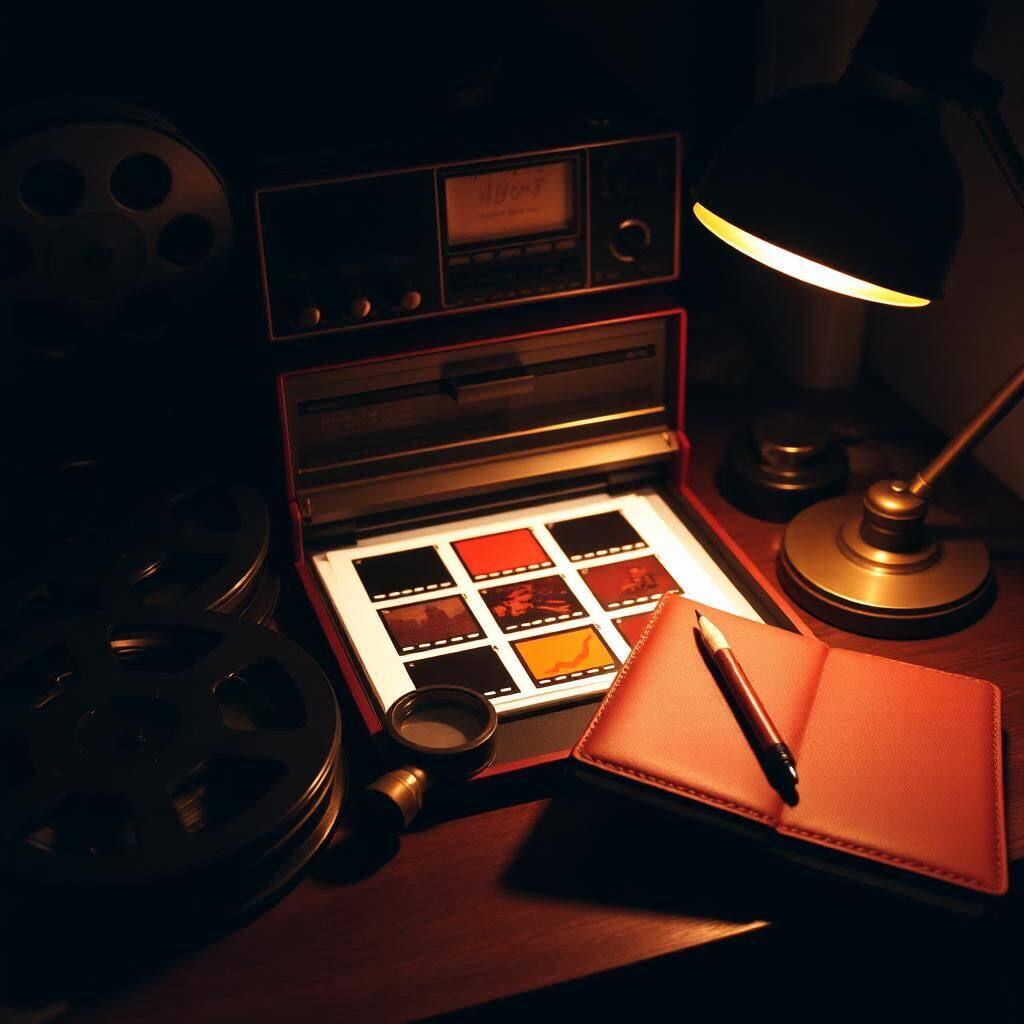
Why we film on film
Digital has won every quantitative argument. So why does our studio shoot a quarter of every wedding on Kodak 16mm?
By WeddingStory Editorial · Founder & Lead Storyteller
Published March 2026
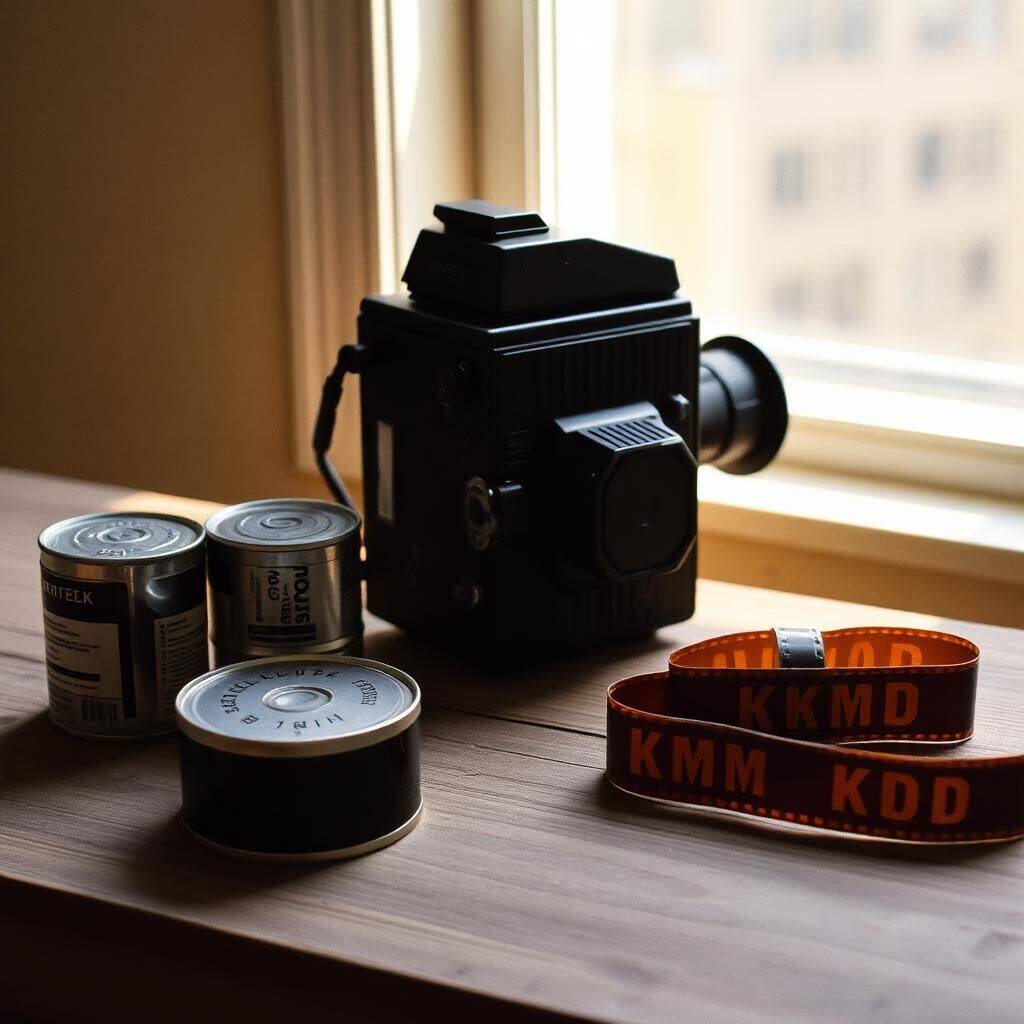
We are asked the question often enough that it has become a kind of editorial test. Why, in 2026, with cameras capable of resolving more detail than the human eye, do we still shoot a portion of every wedding on Kodak 16mm motion picture film?
The honest answer is that digital has won every quantitative argument. It is sharper, cheaper, faster, more reliable, more flexible in post-production, and infinitely more practical at a wedding where you cannot reload a magazine between toasts. We use digital cameras for the majority of every day we film. We are not romantics about this.
The qualitative argument
But film is not competing on the quantitative axis. It is competing on a different one entirely: the emotional register of the image. Film grain is not noise; it is structure. The way film handles highlights — the gentle, asymptotic roll-off into white — is not a limitation; it is a kind of mercy. Skin reads warmer. Eyes hold more depth. The whole image carries a memory of itself.
These differences are small individually and decisive collectively. When we cut a film together six months after a wedding, the 16mm sequences are the ones the couple watches twice.
“Film grain is not noise; it is structure. The image carries a memory of itself.”
How we use it
We typically reserve film for three movements of every wedding: the morning preparation, the ceremony itself, and the first dance. These are the moments where the medium's particular emotional grammar is most legible.
The lab is Niagara Custom Lab in Toronto, scanned at 4K on a Lasergraphics Director. Turnaround adds approximately three weeks to the final delivery, which we build into every commission contract.