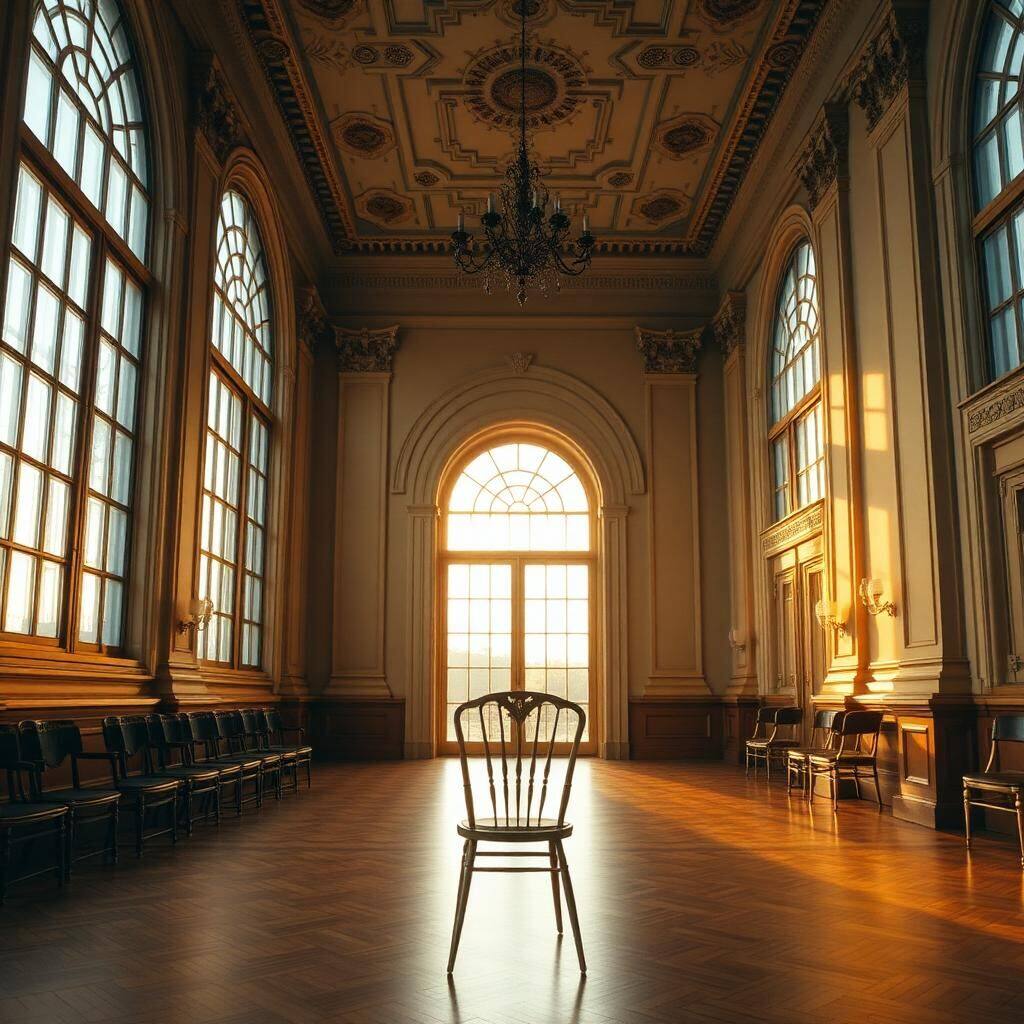
Defining your wedding's visual language
Before colors and florals — before any vendor decision — sit with this question: what is the language your wedding will speak?
By WeddingStory Editorial · Founder & Lead Storyteller
Published May 2026
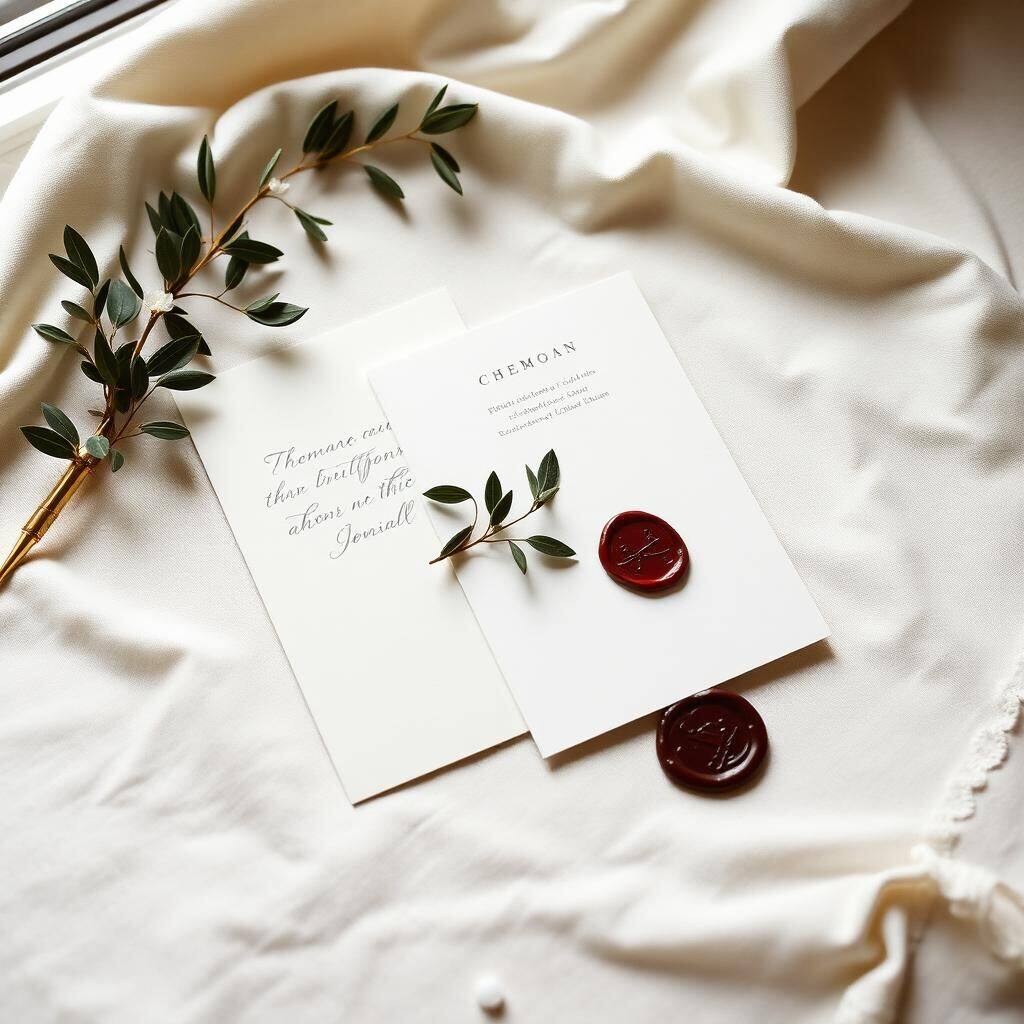
Most wedding planning begins in the wrong place. A couple finds a venue, then a planner, then a photographer, and somewhere in month four they begin trying to wrestle a coherent visual identity out of decisions that have already foreclosed half of the possibilities. The day arrives. It looks fine. It does not look like them.
We have come to believe the single most valuable hour you can spend in the first month of planning is one in which no spreadsheets are opened and no vendors are contacted. The hour belongs to a single question: what is the visual language of this wedding?
Language, not aesthetic
The word matters. An aesthetic is a surface — boho, modern, romantic, classic. A language is a system. It has a vocabulary (the materials and colors that recur), a grammar (the relationships between them), and a register (the tone of voice, from formal to intimate). Languages can be translated across forms. An aesthetic cannot.
When a wedding has a real visual language, every decision afterward becomes easier. The invitation suite, the flowers, the menu card, the band's stage lighting, the bridesmaids' shoes — they all become translations of the same underlying grammar. When a wedding has only an aesthetic, every new decision is a fresh negotiation.
“An aesthetic is a surface. A language is a system — vocabulary, grammar, register.”
Three useful questions
We ask every couple we work with to answer three questions before we discuss anything else. First: what is the material world of your wedding? Not the colors — the textures. Limestone or oak? Linen or silk? Brass or steel? Paper or vellum?
Second: what is the tonal register? Is the day formal in the European sense, ceremonious in the religious sense, intimate in the dinner-party sense, or celebratory in the festival sense? These are not synonyms.
Third: what is the time of day the wedding belongs to? Some weddings are morning weddings — bright, alert, almost sober. Some belong to late afternoon, golden, slow. Some are evening weddings, candle-and-shadow. The hour of the wedding tells you almost everything about the lighting and the palette.
From language to vendors
Once the language exists, vendor selection becomes a question of fluency. You are no longer hiring a florist; you are hiring the florist whose own work demonstrates fluency in the language you have written. The same is true of the planner, the cinematographer, the band.
A note: fluency is not the same as range. Many extraordinary vendors have a single dialect they speak beautifully. If their dialect is yours, they will be the best you could have chosen. If it is not, no amount of brief-writing will change that. Choose for fluency, not for famous names.