Build the day around the moments you want to remember, not the other way around.
How to build a wedding day timeline
Timeline · 12 min read · Updated June 1, 2026

A timeline is not a schedule. It is the structure that lets the day breathe — and the only thing that protects the moments worth filming.
Most weddings run on a timeline written by the planner and inherited by everyone else. The clearest, most filmable days run on a timeline written by the couple — short, intentional, with twenty minutes of nothing scheduled at exactly the right moment.
What follows is the way we build a timeline when a couple asks us to weigh in early. Use it as a starting point, not a template. Every venue, every family, every wedding bends it differently.
12–9 months out
Twelve to nine months before
The decisions made now decide the entire shape of the day. The venue and the time of year are the only two non-negotiables.
- 01Choose the venue. Confirm the ceremony start time the venue actually wants — not the one you wrote down first.
- 02Note the season's civil sunset. Build the day backward from it.
- 03Decide whether you are doing a first look. This is a timeline decision, not a sentimental one.
- 04Book the content team. Photo, video, and content creator — the three teams whose schedules drive every other vendor.
- 05Draft a first-pass timeline. Do not share it with anyone yet.
If your ceremony begins less than ninety minutes before sunset, build a first look into the day. There is no other way to film the portraits you actually want.
6–4 months out
Six to four months before
The day stops being abstract. Real vendors join the conversation; real constraints arrive.
- 01Confirm hair and makeup start times against the head count. Add thirty minutes you have not been told to add.
- 02Confirm florals — particularly bouquet delivery time. Bouquets that arrive late kill the first look.
- 03Confirm transport for the wedding party, with one full hour of cushion to anywhere downtown.
- 04Walk the venue with the planner and the photo lead. Identify the first look spot, the portrait spot, the rain plan.
- 05Lock the ceremony start time in writing. Do not negotiate it later.
The first walk-through is when the timeline becomes real. Bring the content team if they can come. We can save you an hour later.
1 month out
One month before
This is the month of the master timeline. Build it once, share it once, edit it once.
- 01Build the master timeline in fifteen-minute blocks from prep through last dance.
- 02Add the rain call window — typically forty-eight to seventy-two hours before the ceremony.
- 03Share the master timeline with every vendor in one email. Ask for written confirmation.
- 04Build the family-formal shot list. Cap it at twelve groupings. Anything more does not survive the day.
- 05Confirm the speech order with the people giving speeches. Surprises kill rooms.
The single best gift you can give yourself one month out is a forty-minute window between ceremony and cocktails with nothing scheduled in it. We will use it.
Week of
The week of
The work is done. The week-of job is to defend the timeline, not to redesign it.
- 01Send a one-page timeline to the wedding party. One page. Not the master.
- 02Confirm load-in windows with the venue and every vendor producing on-site.
- 03Print three copies of the master timeline. One stays with the planner, one with the photo lead, one in the bridal suite.
- 04Check the weather on the Tuesday before the wedding. Make the rain call on Thursday at the latest.
- 05Stop editing.
Wedding day
The morning of
The timeline runs you now, not the other way around. Trust the document.
- 01Eat breakfast. Drink water before coffee.
- 02Get into hair and makeup on time. The whole day is downstream of this.
- 03Build twenty quiet minutes into prep before getting into the dress.
- 04Hand your phone to someone you trust before the first look. You will not need it for the next ten hours.
Every wedding we have filmed has run late at exactly one moment. The couples who finish the day calmly are the ones who built the cushion in.
Between the end of the ceremony and the start of cocktails, leave a clear forty-minute window. It is the only time on the wedding day that belongs to the two of you. Do not give it away to family formals. Schedule a separate window for those.
If your portraits matter to you on film, the ceremony should end at least ninety minutes before civil sunset. There is no workaround for this; the sun is the sun.
“Build the day around the moments you want to remember, not the other way around.”
How long should a wedding day be?
Most of our weddings run from a 9 a.m. prep call to a midnight last dance — about fifteen hours. Shorter days are possible at smaller, single-venue weddings; longer days drift, and the energy in the room shows it.
What if our venue ceremony time is fixed?
Most religious ceremonies are. The timeline builds around the ceremony in that case. Your first look and golden hour move accordingly; the rest of the framework still holds.
Do we need a planner to build this?
If you are commissioning a film, ideally yes. A good planner saves us — and you — three hours of the day. If a full planner is out of scope, hire a month-of coordinator at minimum.
Continue reading
City Edition · Toronto
Toronto
City Edition · Muskoka & cottage country
Muskoka
City Edition · Prince Edward County
Prince Edward County
Venue Edition · Yorkville, Toronto
Park Hyatt Toronto
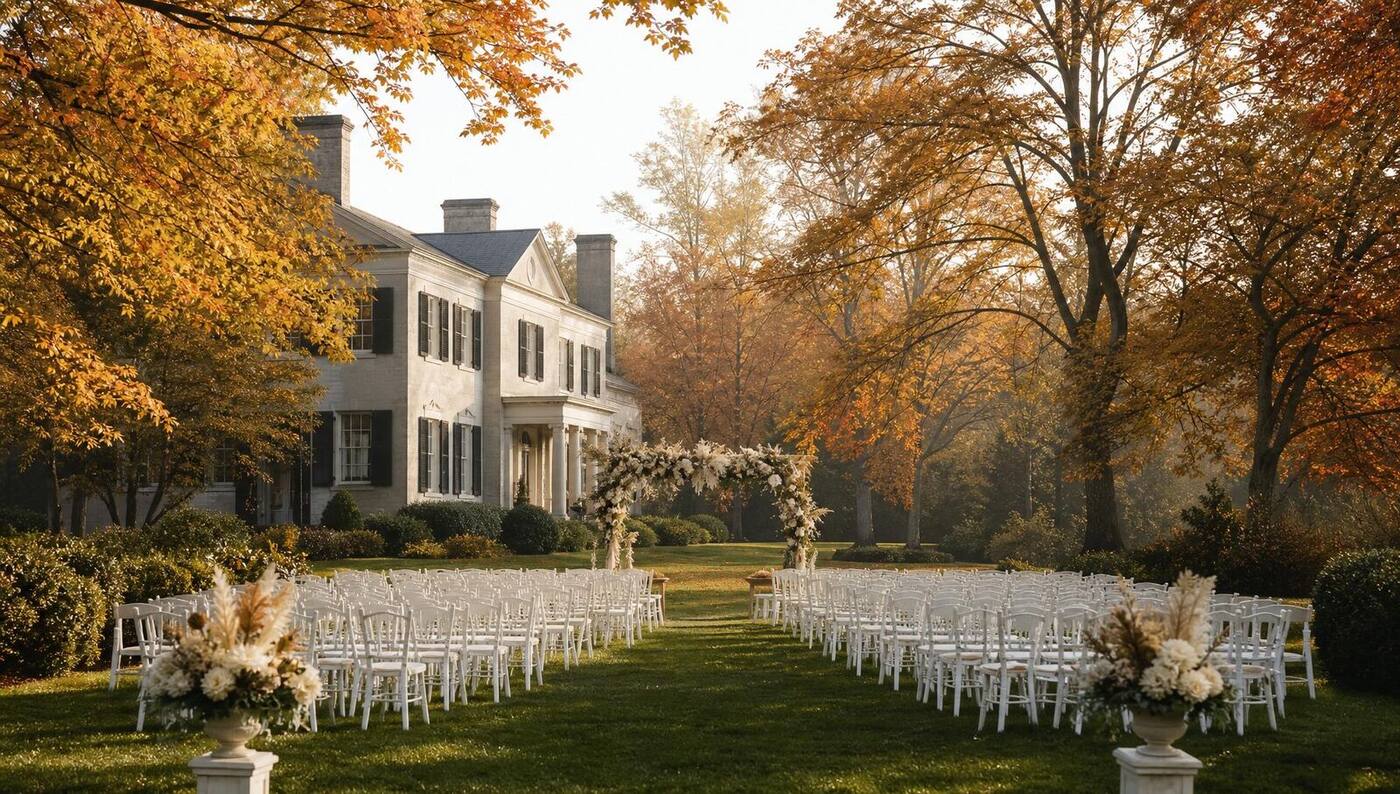
Venue Edition · Cambridge, Ontario
Langdon Hall
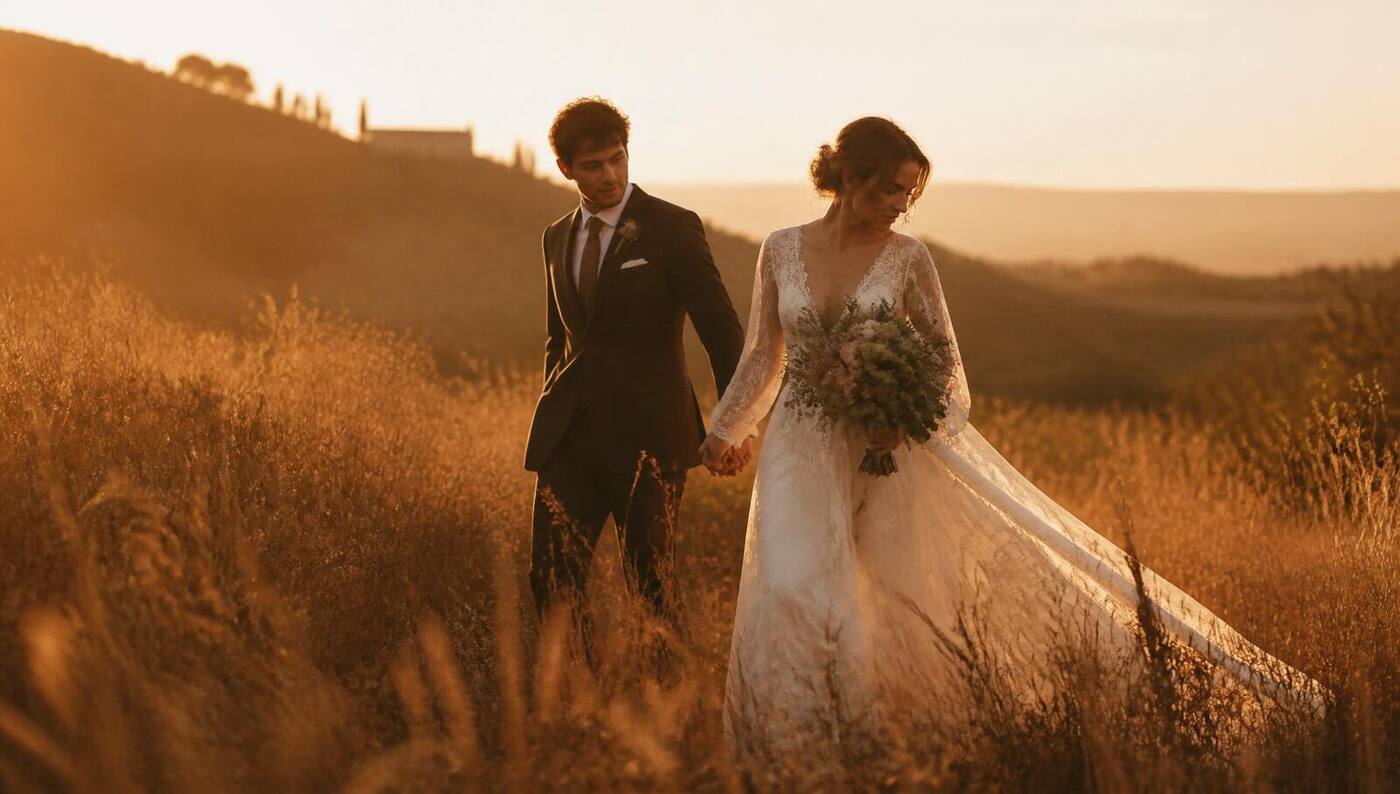
Planning Guide
How to film golden hour
Planning Guide
Designing a content-friendly wedding day
Real Wedding
Sophia and Julian
Real Wedding
Amelia and Rhys
Real Wedding
Priya and Mateo
Want this kind of thinking on your wedding?
If you would like the WeddingStory team in the room from the first planning conversation, we would be glad to start one.