Plan for the sun. The rest is conversation.
How to film golden hour
Timeline · 8 min read · Updated June 1, 2026
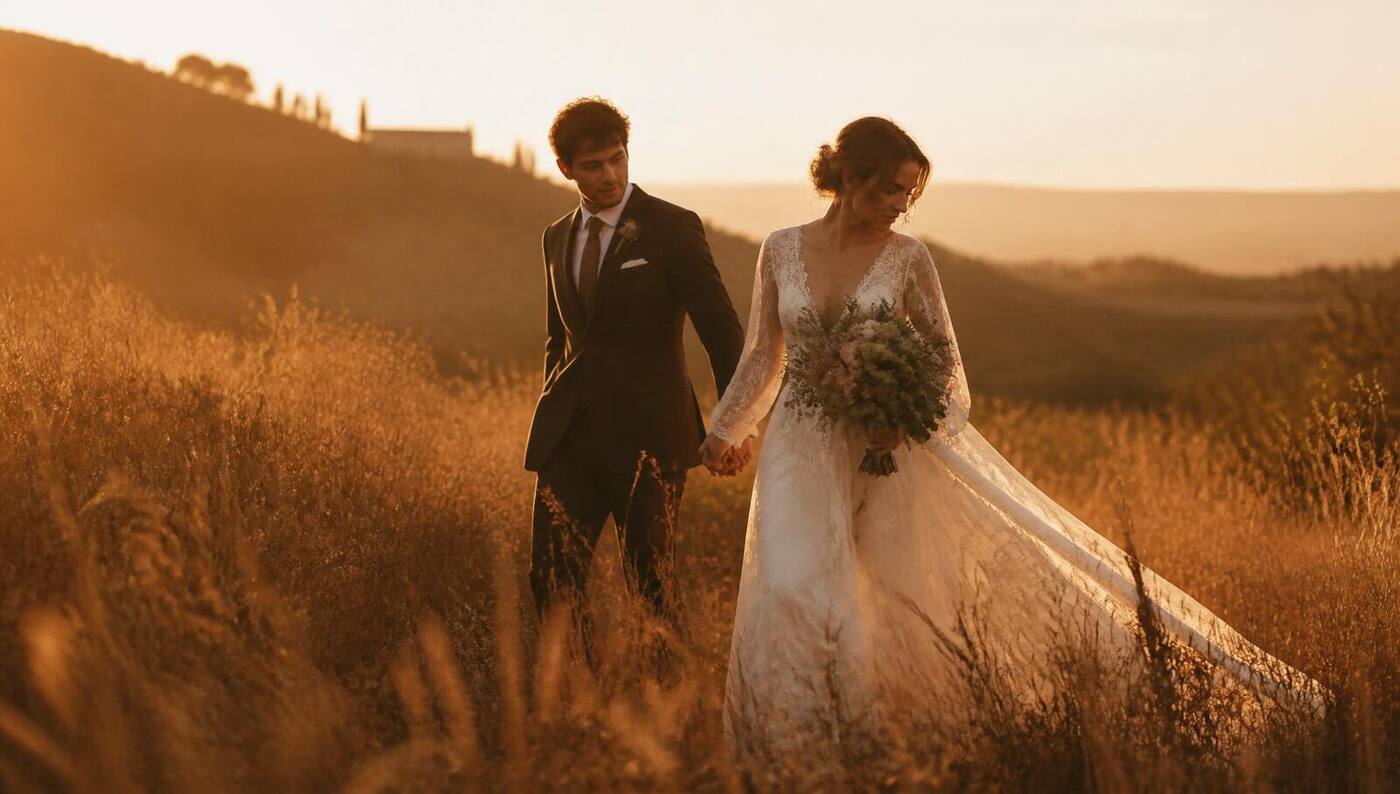
Golden hour is not a metaphor. It is a fifteen-minute window before sunset that turns a wedding film into a memory.
Most of the photographs and films we love at the end of a wedding were shot in the same twenty-minute window — the half hour before the sun goes down. The trick is not finding that light. The trick is reaching it without sacrificing the rest of the day.
Below is how we think about golden hour: what it is, when it happens, and what to ask your planner for so it actually shows up on your timeline.
What it is
Golden hour begins roughly thirty minutes before civil sunset and ends as the sun touches the horizon. In Ontario, that window is fifteen minutes in winter and closer to forty in late June.
When it happens, by season
Toronto sunset times, rounded to the easiest minute to plan around:
March: ~7:30 p.m. — the first useful month of the year.
May: ~8:35 p.m. — long, warm light.
June through early July: ~9:00 p.m. — the longest light of the year.
August: ~8:30 p.m. — slightly shorter, warmer in tone.
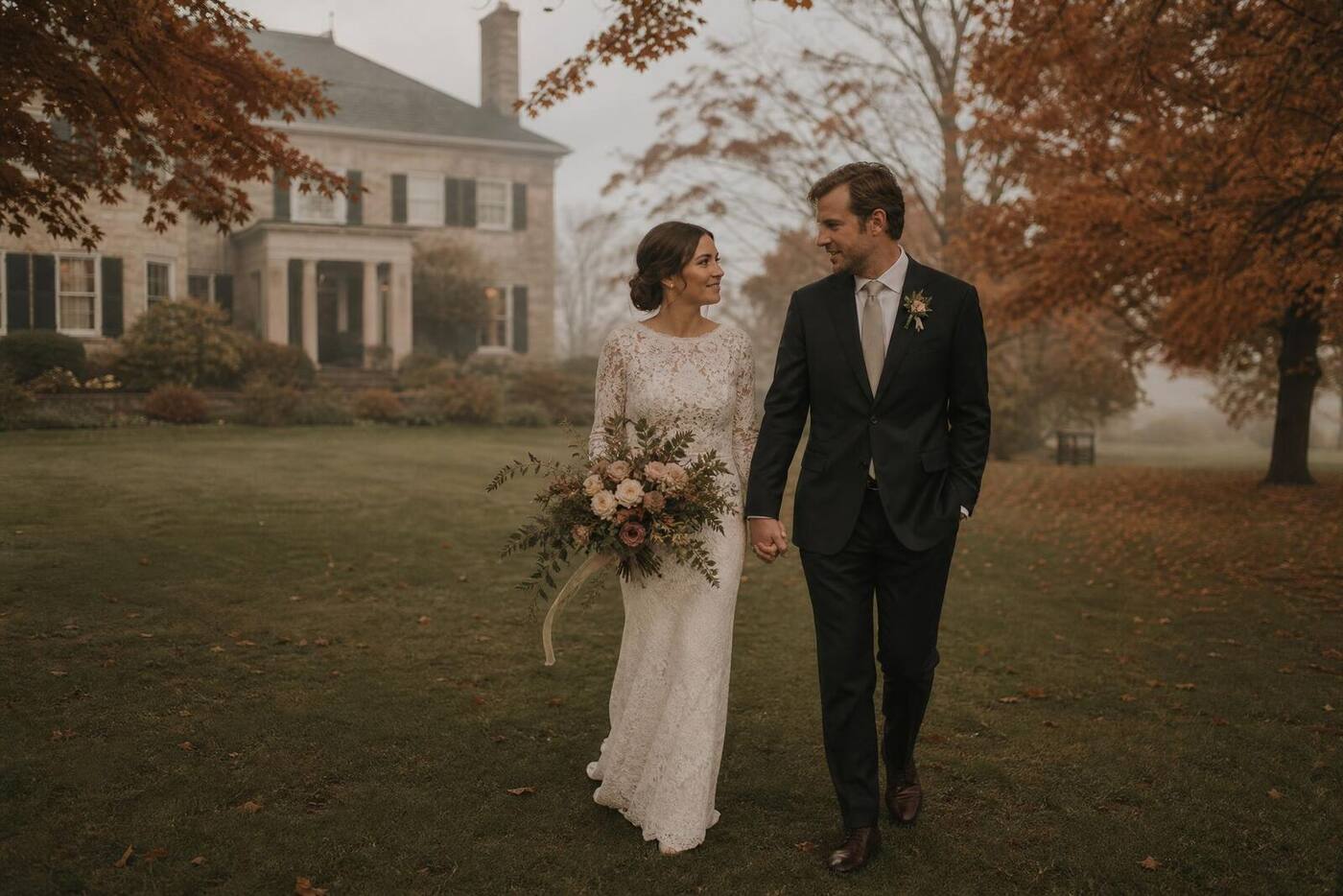
October: ~6:30 p.m. — short, copper, the most filmable month for portraits.
December: ~4:45 p.m. — beautiful but tight; build the day around it.
How to build it into the timeline
- 01Find your civil sunset for the wedding date. Mark it on the timeline in pen.
- 02Reserve a fifteen-minute couples' portrait window beginning thirty minutes before sunset.
- 03Do not schedule speeches or food service inside this window. Move dinner.
- 04Pre-walk the portrait spot at the same time of day forty-eight hours before — the light will be within minutes of what you get on the day.
- 05Send your planner a one-line directive: "The 15 minutes before sunset are reserved for portraits. Nothing else goes there."
What to wear for it
Golden hour photographs reward texture and warmth. The dress already does that work; the goal is not to fight it.
If a touch-up is happening, it happens before, not during. There is no time to fix lipstick once the sun has dropped.
Bring the bouquet. It will be the only colour in the frame and the frame needs it.
Leave the phones inside.
Couples often ask whether they really need to give up fifteen minutes of cocktails. They do. The cocktail hour produces no images you will look at in five years. The portrait window produces almost all of them.
“Plan for the sun. The rest is conversation.”
What if it is overcast on the day?
Overcast skies still produce a golden-hour window — softer, cooler, often more flattering. The portrait window stays. The look changes.
What if our ceremony is at sunset?
Then the portraits move to a first look earlier in the day, ideally ninety minutes before the ceremony when the sun is still high. We can still film a golden-hour walk after the ceremony if family formals are tight.
Continue reading
City Edition · Toronto
Toronto
City Edition · Muskoka & cottage country
Muskoka
Venue Edition · Vaughan, Ontario
The Arlington Estate
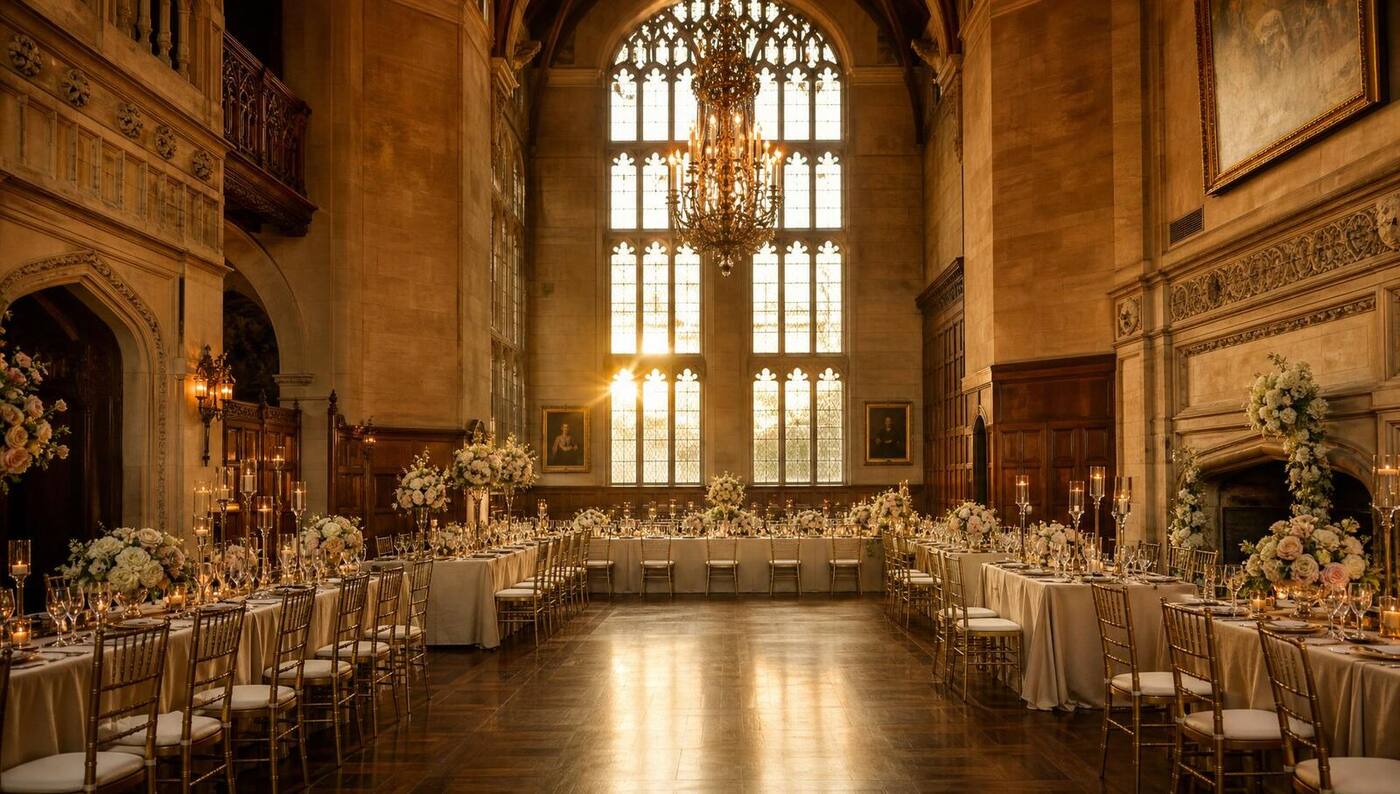
Venue Edition · Midtown, Toronto
Casa Loma
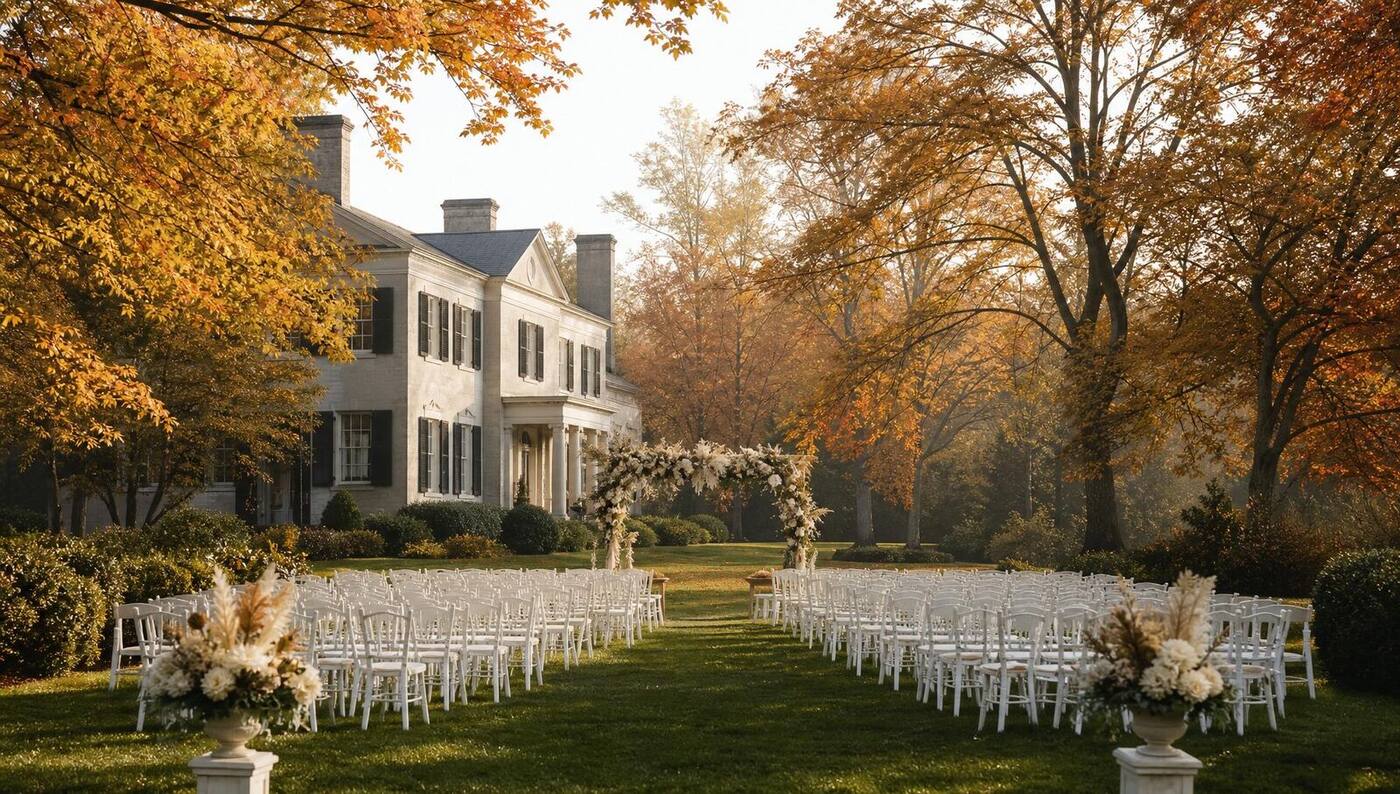
Venue Edition · Cambridge, Ontario
Langdon Hall

Planning Guide
How to build a wedding day timeline
Planning Guide
Designing a content-friendly wedding day
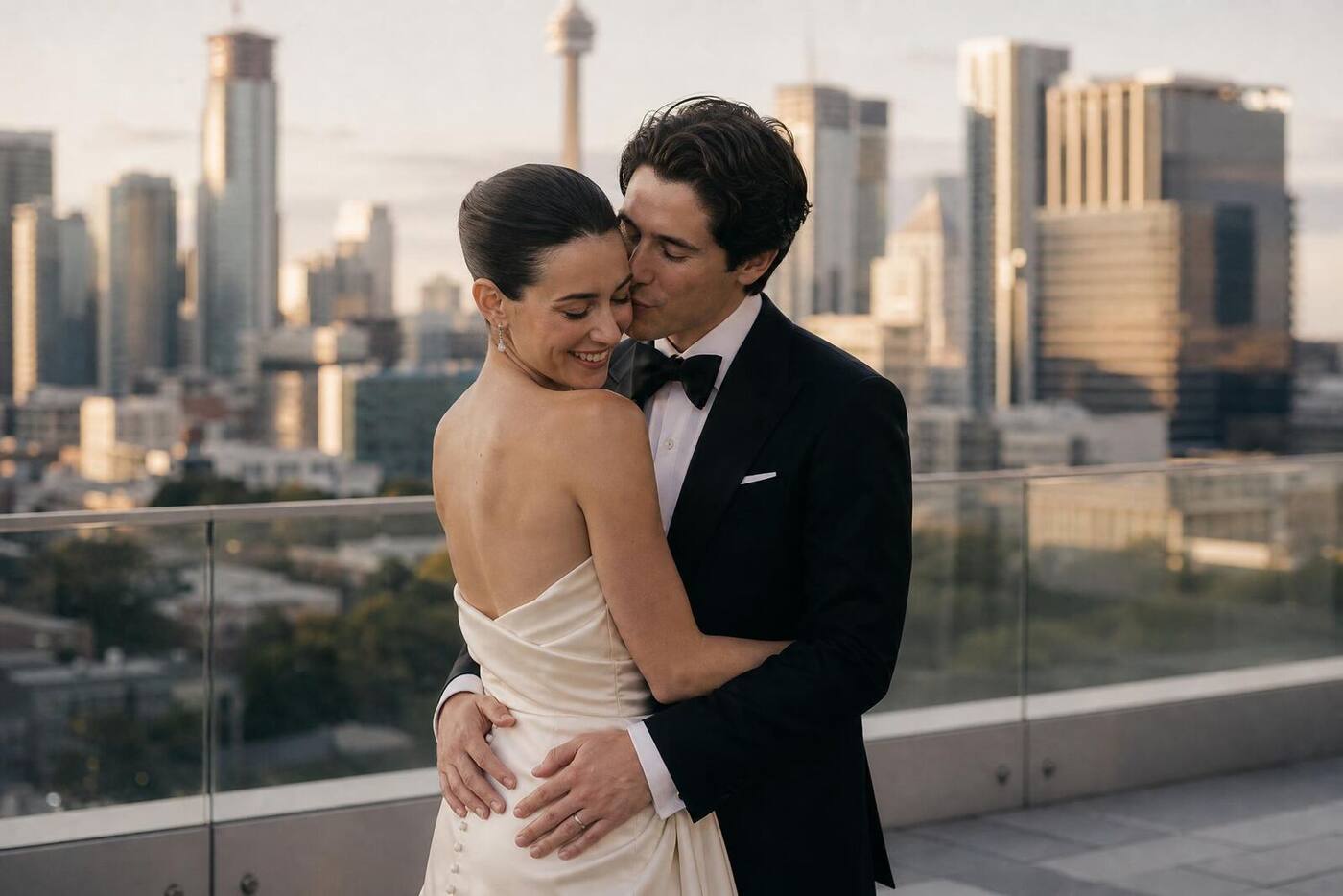
Real Wedding
Sophia and Julian
Real Wedding
Amelia and Rhys
Want this kind of thinking on your wedding?
If you would like the WeddingStory team in the room from the first planning conversation, we would be glad to start one.