The GTA's wedding culture is multicultural by default.
Multicultural weddings — content creation for GTA ceremonies
Collaboration · 10 min read · Updated July 23, 2026
South Asian, Chinese, Persian, and blended cultural weddings are the majority of the GTA market. Here is how content creation actually works across three-day timelines and rich traditions.
The Greater Toronto Area has the most culturally diverse wedding calendar in North America. Roughly half of the weddings booked in the GTA each year are multicultural — South Asian (Indian, Pakistani, Sri Lankan, Bangladeshi), Chinese, Persian, Filipino, Nigerian, blended cross-cultural — and most of those run across two to four days rather than a single Saturday.
This guide is written for couples planning a multicultural wedding in the GTA who want their content creation to honour the full arc of the celebration, not just the English-speaking parts of it.
Speak in whatever language feels natural — the content is for you first, algorithm second. Non-English audio in the highlight reel (Punjabi vows, Cantonese toasts, Farsi speeches) consistently outperforms translated or subtitled versions on Instagram and TikTok. Authenticity travels.
South Asian weddings
The standard South Asian wedding in the GTA runs three days: mehndi (or sangeet) on Thursday or Friday, the religious ceremony (Hindu, Sikh, Muslim nikah, or Christian for South Indian Christian couples) on Saturday morning or afternoon, and a formal reception Saturday night. Some families add a haldi or a garba the day before mehndi.
For content, this means the coverage decision is not one day — it is up to four. A common Toronto structure books mehndi and the reception as full days (10-12 hours each) and adds ceremony coverage separately (4-6 hours). Total content coverage: 24-32 hours across two or three days.
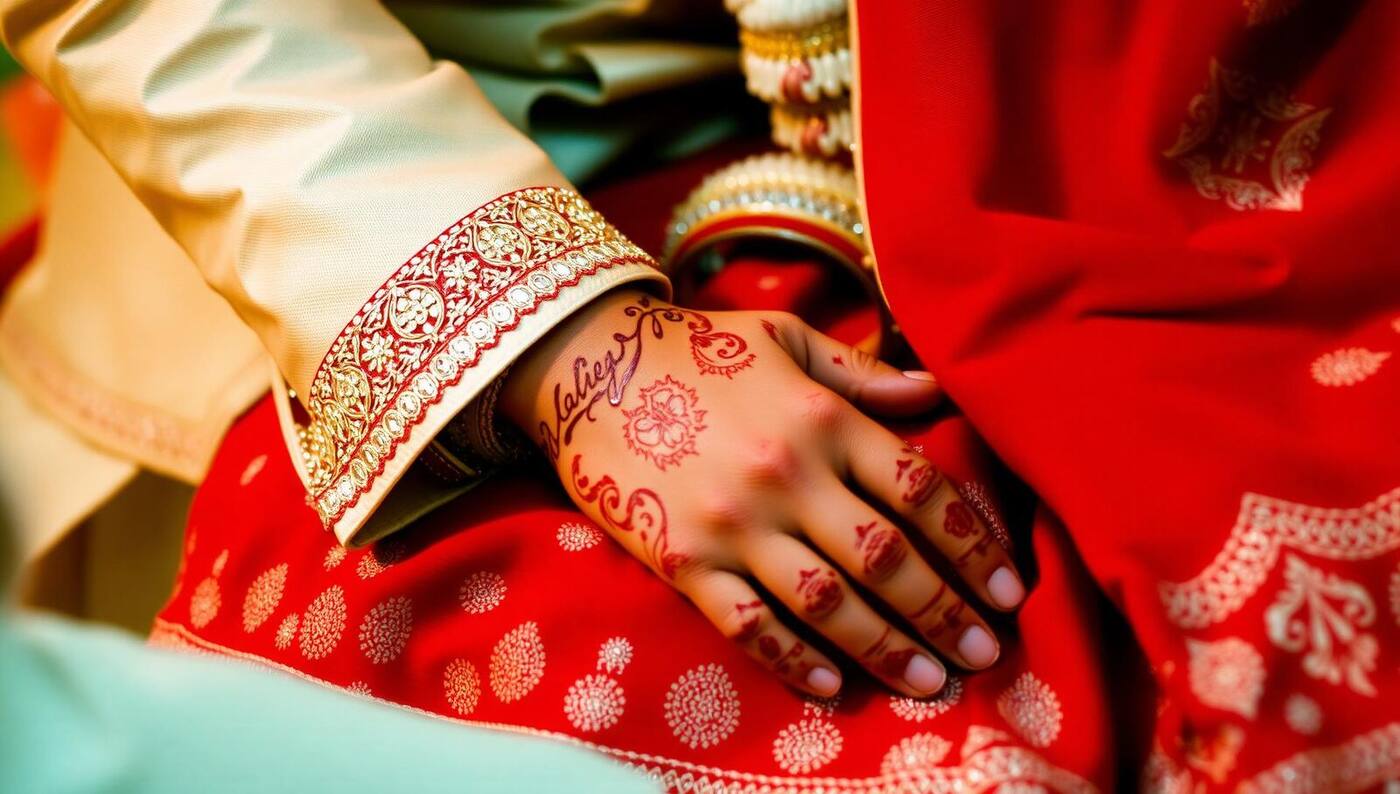
Content specifics: mehndi is visually the richest day — hands, henna, dance, bright colour, high energy. Saturday ceremony coverage requires cultural literacy (a Sikh Anand Karaj has four specific laavan; a Hindu ceremony has specific pheras; a Muslim nikah is short and audio-dependent). Reception is the standard high-energy dance floor coverage.
Chinese weddings
Chinese weddings in the GTA typically run two days: a traditional tea ceremony and door games in the morning (often at the bride's parents' home), followed by a Western-style ceremony and Chinese banquet dinner on the same day or the next.
The banquet is the visual centrepiece: eight-to-ten course meal, multiple gown changes (the bride typically wears a white gown for the ceremony, a red qipao for the banquet, and an evening gown for the toasts), and formal toasting to every table. Content coverage is usually 12-16 hours across the day.
Content specifics: door games and the tea ceremony are family-heavy and emotional — the reel almost always uses tea-ceremony footage as its emotional anchor. Gown changes create natural chapter breaks that a good editor uses to structure the highlight. The tableside toasting is a distinctive Chinese-wedding rhythm and worth briefing the content creator on in advance.
Persian weddings
Persian weddings in the GTA are usually a single day but centre on the sofreh aghd — the elaborate ceremony table set with symbolic elements (mirror, candles, honey, herbs, sweets) that becomes the visual heart of the day. The ceremony is often outdoor or in a large hotel ballroom; the reception is typically a full-scale multi-course dinner with continuous dancing.
Content coverage is 10-14 hours for a full day. The sofreh setup, the knife-dance (raghs-e-chaghoo), and the honey ritual are the moments that consistently anchor the highlight reel.
Content specifics: the sofreh photographs and films beautifully in a wide vertical — brief the content creator to spend 15-20 minutes on sofreh detail clips before guests arrive. Persian reception music has a distinctive tempo and instrumentation; the reel often works best scored to a Persian instrumental track rather than a Western pop song.
Blended and cross-cultural weddings
The fastest-growing wedding format in the GTA. A blended wedding might be a Sikh Anand Karaj on Saturday morning and a Chinese banquet on Saturday evening, or a Filipino Catholic Mass followed by a Nigerian traditional reception on the same day.
Content coverage for blended weddings is usually one long day (12-16 hours) or two half-days. The editorial challenge is not coverage — it is making sure the highlight reel honours both cultures without feeling split in half.
Content specifics: brief the creator on both cultures in the pre-wedding call and share a shot list of the specific rituals from each. A good creator will structure the reel around one shared emotional arc (the vows, the first look, the parents' reactions) rather than trying to represent every ritual from both traditions equally.
The cross-cultural planning checklist
Send the content creator a written outline of every ritual with names, order, and approximate timing. Do not assume familiarity — the best studios still ask.
Identify one culturally-fluent guest per side (an aunt, an uncle, a family friend) who can quietly cue the creator on what is about to happen.
Confirm music licensing. If the wedding uses traditional music (Bollywood, Persian pop, Chinese ceremonial), most standard sync libraries do not cover it — ask the creator what they can source.
Confirm attire coverage. If the bride is doing multiple gown changes, budget 30-45 minutes of coverage for each change, and time the golden-hour portraits to the outfit that photographs best.
Book cultural-photography specialists when possible. A photographer who has shot fifty Sikh weddings will read the Anand Karaj better than a generalist. The same is true for content creators.
“The GTA's wedding culture is multicultural by default.”
Do we need to book more coverage for a multi-day wedding?
Yes. A three-day South Asian wedding typically needs 24-30 hours of content coverage across the events, which is roughly double a single-day wedding. Most Toronto studios offer multi-day packages priced at a small discount to booking each day separately — expect $3,500-$6,500 total for a full South Asian wedding, versus $1,500-$3,000 for a single Saturday.
Should our content creator match our cultural background?
It helps but is not required. What matters more is whether the creator has shot your kind of wedding before and can prove it. Ask specifically: "can you show me a mehndi you filmed in the last twelve months?" or "how many Chinese tea ceremonies have you covered?" A creator who has shot your cultural format ten times reads the day faster than a same-culture creator who has not.
What if we are combining two cultures our creator has never filmed?
Book a pre-wedding call specifically about the cultural elements. Send a written ritual outline in advance. Consider a second-shooter arrangement where one creator focuses on each cultural half of the day. Most good studios will not charge extra for the pre-wedding cultural briefing — it is part of what they should be doing anyway.
How do multicultural weddings shape the highlight reel?
The highlight reel is almost always structured around one emotional arc that runs through the whole celebration — a parent moment, the first look, the vows — rather than trying to include one clip from every ritual. A three-day wedding usually gets three reels: one per day, plus a longer week-of highlight that ties the whole arc together.
Continue reading
City Edition · Toronto
Toronto
Venue Edition · Yorkville, Toronto
Park Hyatt Toronto
Venue Edition · Midtown, Toronto
Casa Loma
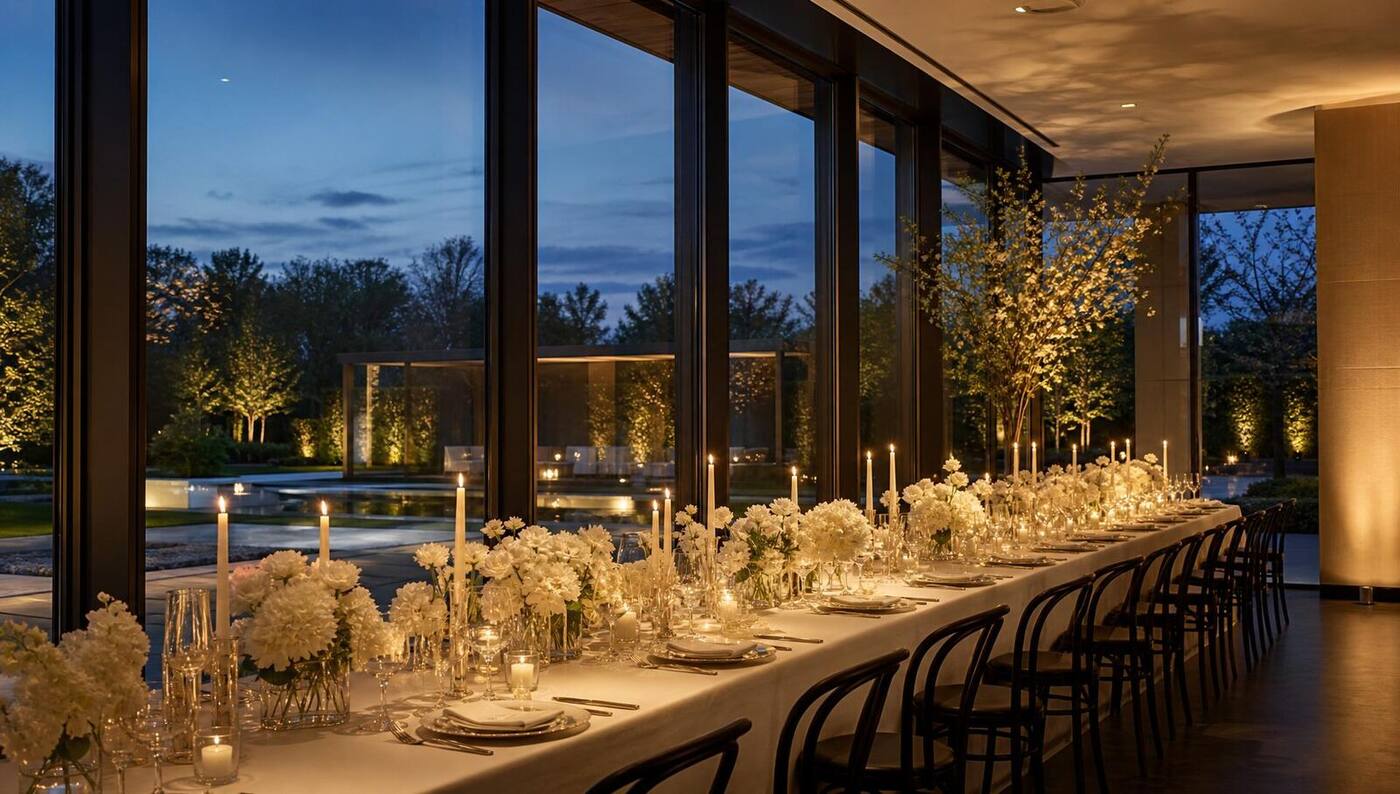
Venue Edition · Vaughan, Ontario
The Arlington Estate

Planning Guide
How to build a wedding day timeline
Planning Guide
Designing a content-friendly wedding day
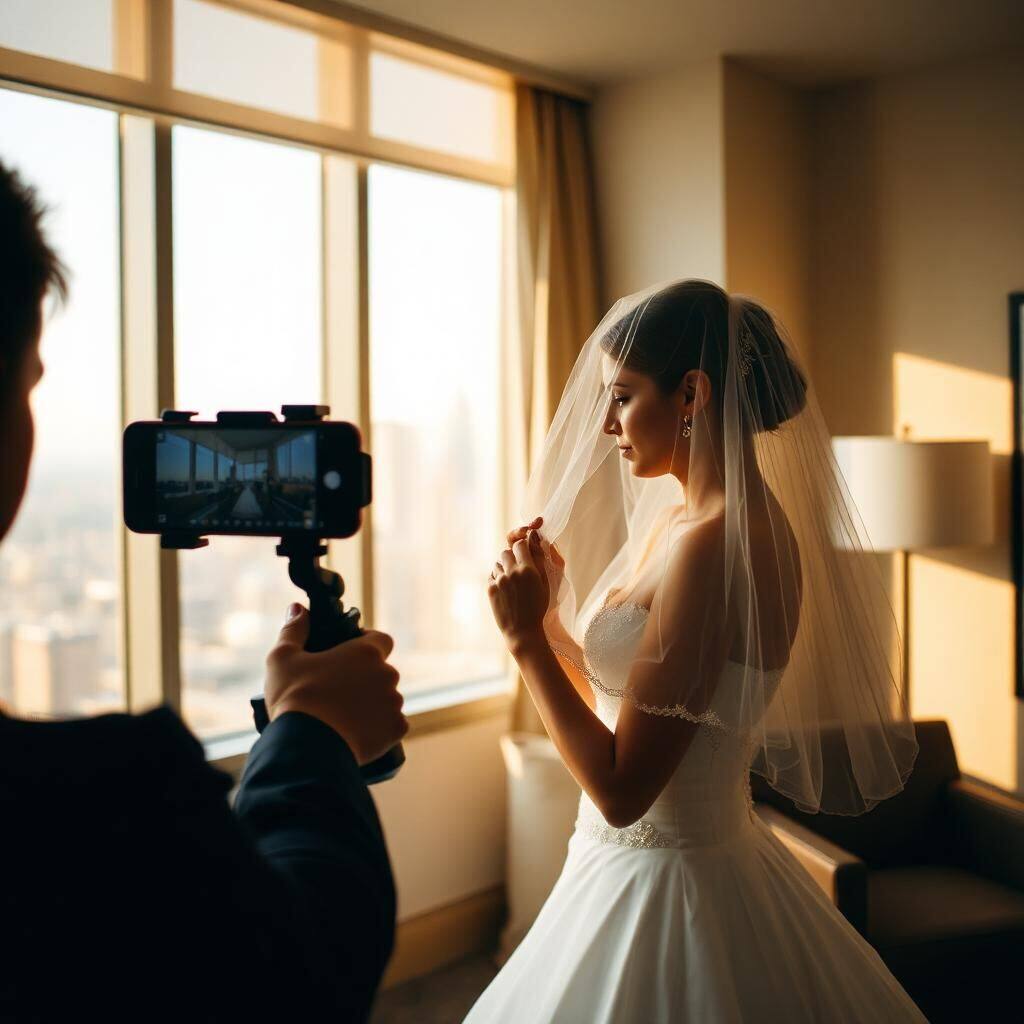
Planning Guide
How to hire a wedding content creator in Toronto
Want this kind of thinking on your wedding?
If you would like the WeddingStory team in the room from the first planning conversation, we would be glad to start one.